

Quick answer
You can see blue whales, fin whales and sperm whales in the Azores, along with resident dolphins and seasonal visitors off Ponta Delgada. Blue and fin whales pass through in spring, while sperm whales stay year-round. The waterfront marina is free to enter, and the calmest viewing window runs 08:30–11:30.
The deep water begins closer to shore here than almost anywhere in the North Atlantic. A few kilometres past the harbour wall at Ponta Delgada, the seabed drops away to more than a thousand metres. That single fact explains what whales can you see in the azores from São Miguel: the giants that elsewhere stay far offshore feed within sight of land. Three names dominate the answer. Sperm whales are the resident headline act, present in these waters through every month of the year. Blue whales and fin whales, the two largest animals ever to have lived, move past the archipelago on their spring passage. Add to them the smaller cetaceans — common dolphins, bottlenose dolphins, the occasional beaked whale — and the roll call runs long. This is why Azores whale species draw researchers as much as visitors. Ponta Delgada whale watching sits at the centre of this. São Miguel is the largest island and its capital holds the main departure port, so most first trips start here. The range of animals recorded off these shores is wide by any measure, and no two sailings return with the same log. Toothed whales and baleen whales both appear, sometimes on the same morning, because the deep channels sit so close together. The reason lies in geography. The islands are volcanic peaks rising from the mid-Atlantic ridge, and the surrounding trenches funnel nutrient-rich currents upward. Squid gather in the depths; sperm whales follow. From the old vigia lookouts on the cliffs, spotters once tracked spouts for the whaling fleet; today the same vantage points guide observation boats. Whale watching in the Azores grew directly out of that abandoned industry, turning harpoon knowledge into a conservation trade. For a visitor, the practical takeaway is simple. Different species peak in different windows, so the month you arrive shapes the list you are likely to tick off. Boats leave from the Portas do Mar marina, a free and open stretch of waterfront, and morning departures tend to meet the flattest sea. Anyone still asking what whales can you see in the azores before booking will find the seasonal detail, sighting odds and departure logistics laid out in the sections that follow, with routes to the marina and the boats set out separately.
“The deep water begins closer to shore here than almost anywhere in the North Atlantic.”
What Whales Can You See in the Azores: A Species Guide
The deep oceanic trench surrounding Ponta Delgada serves as both a permanent habitat and a primary migration corridor for diverse cetacean species. Observing these marine mammals reveals distinct differences in their physical dimensions, surfacing behaviors, and seasonal residency patterns.
Sperm Whale (Physeter macrocephalus)
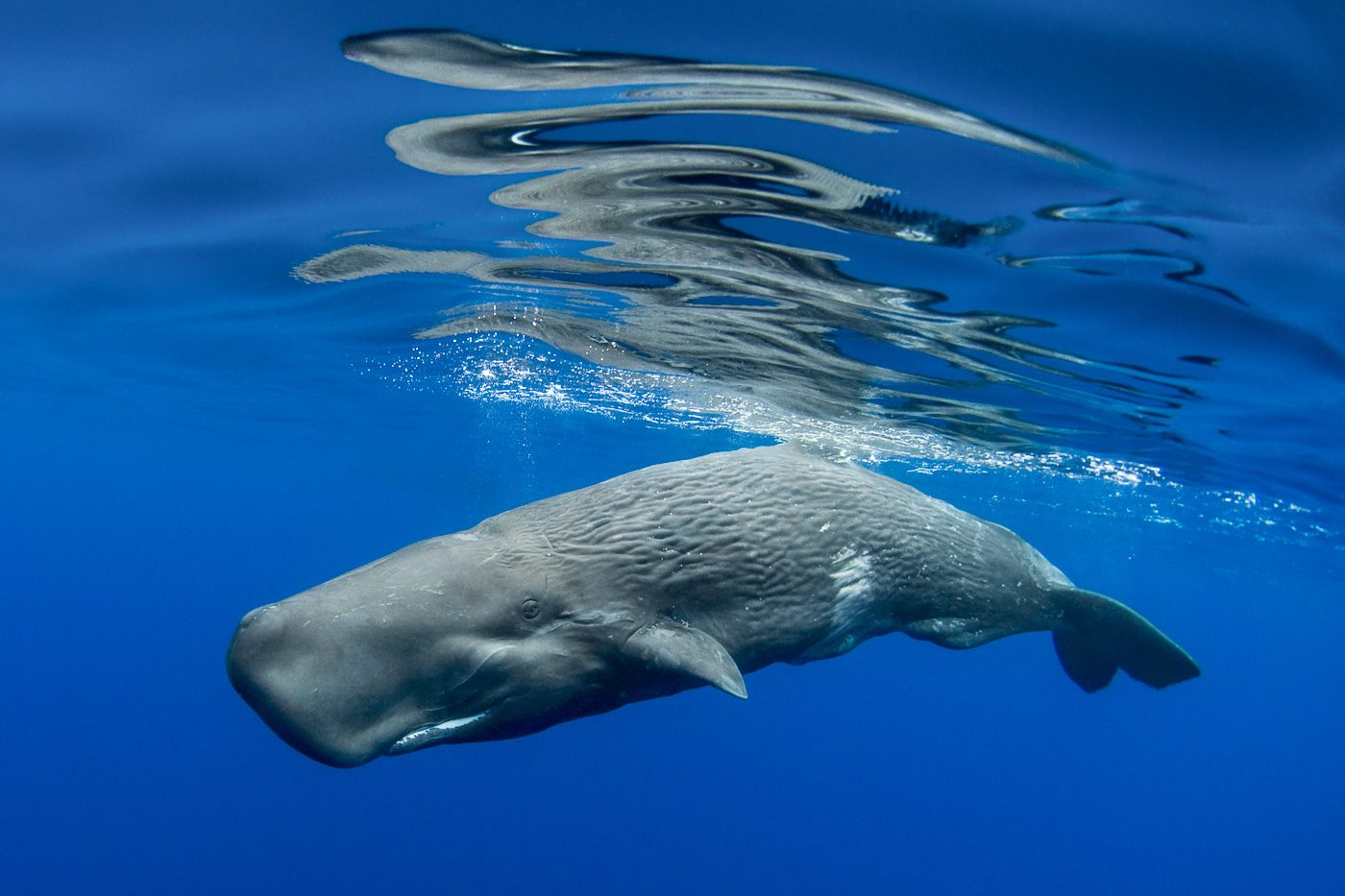
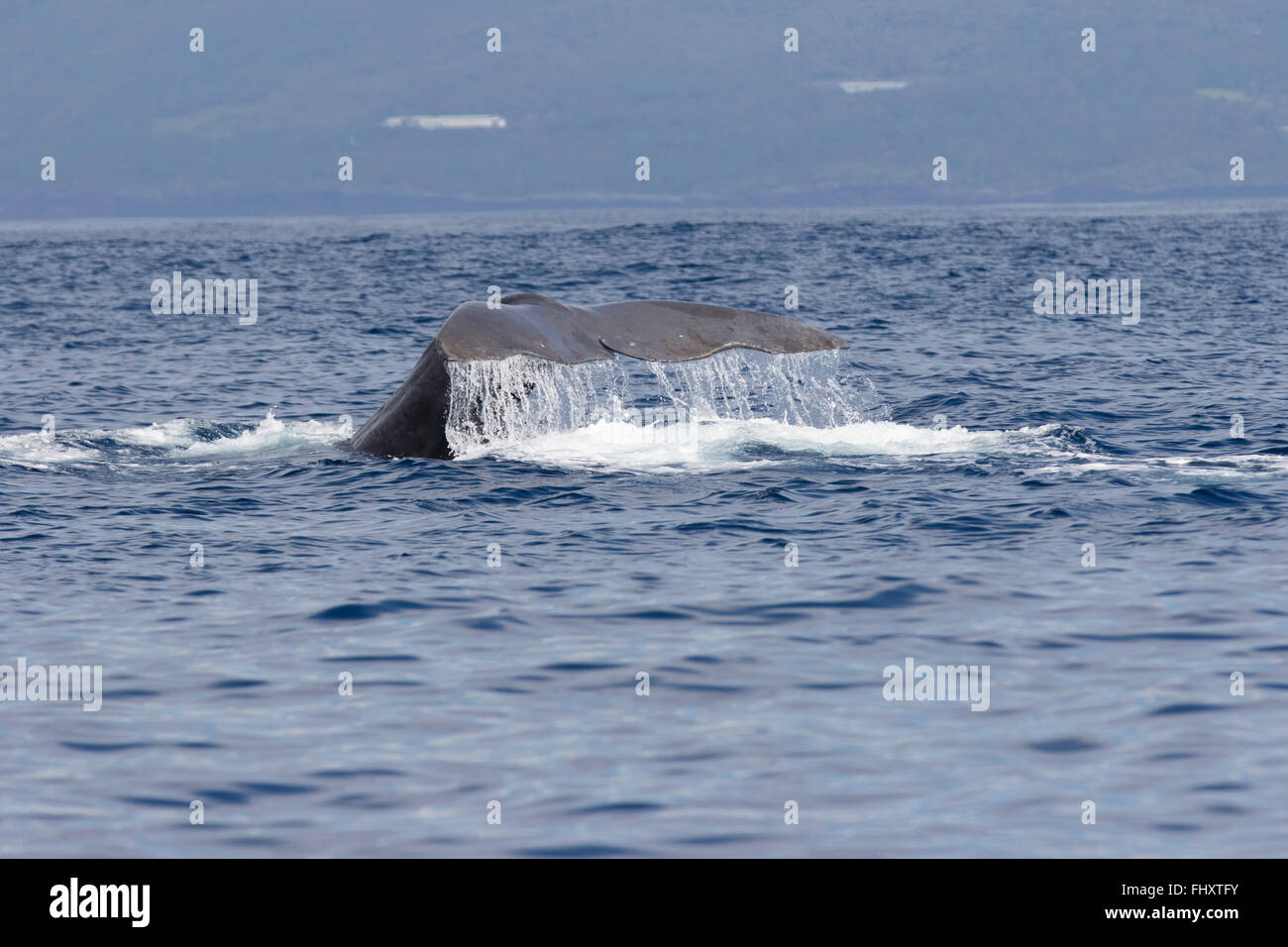
As the primary resident species of the Azores, these deep-diving toothed whales are identified by their square heads and wrinkled dark skin. They frequently raise their triangular tail flukes high out of the water before initiating deep feeding dives.
Look for the angled blow pointing forward and to the left.
Blue Whale (Balaenoptera musculus)
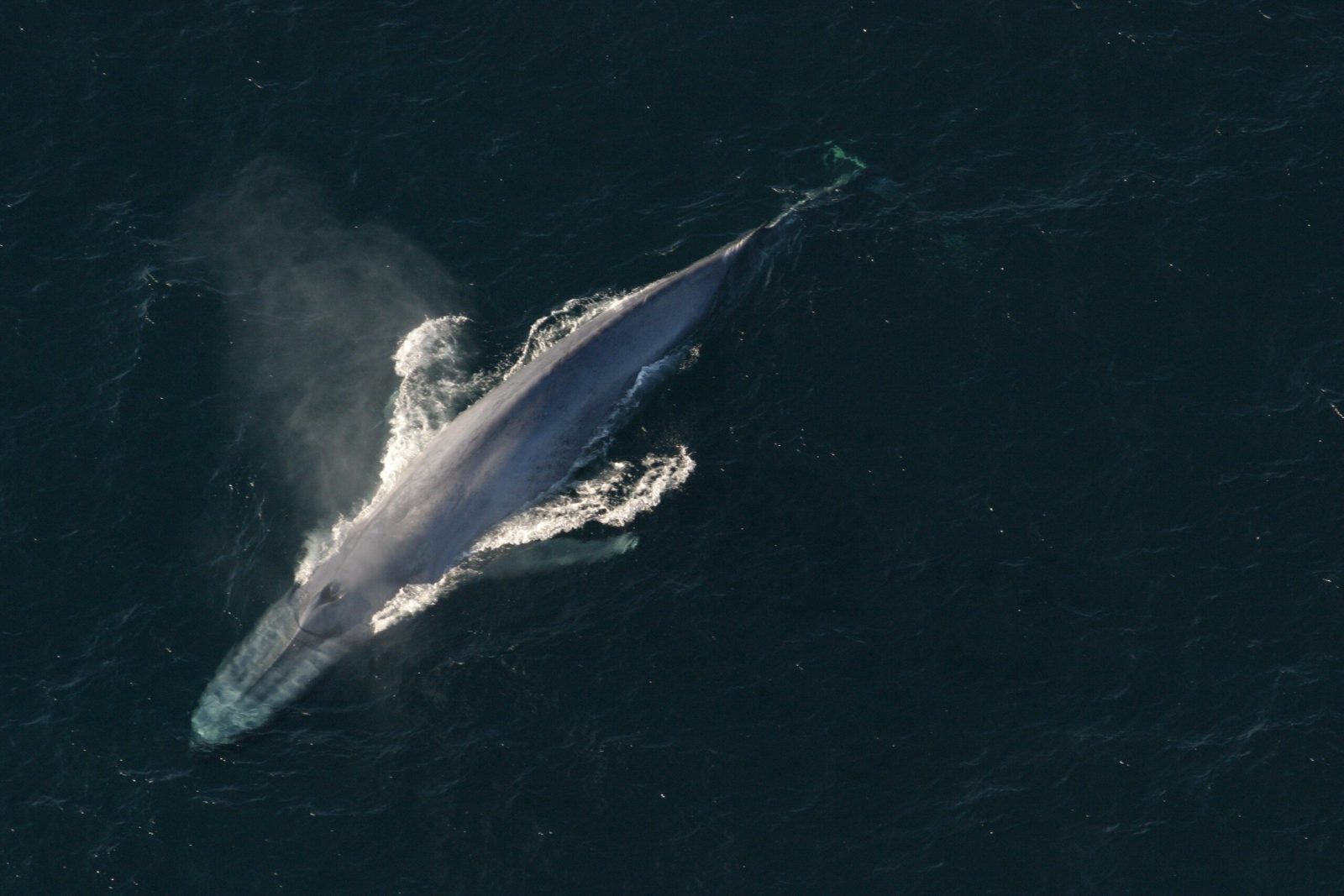
These massive baleen whales migrate past the archipelago in spring, distinguished by their mottled blue-gray skin and small, stubby dorsal fins. Their powerful blow produces a vertical column of mist reaching up to nine meters high.
Watch for the small dorsal fin positioned far down the back.
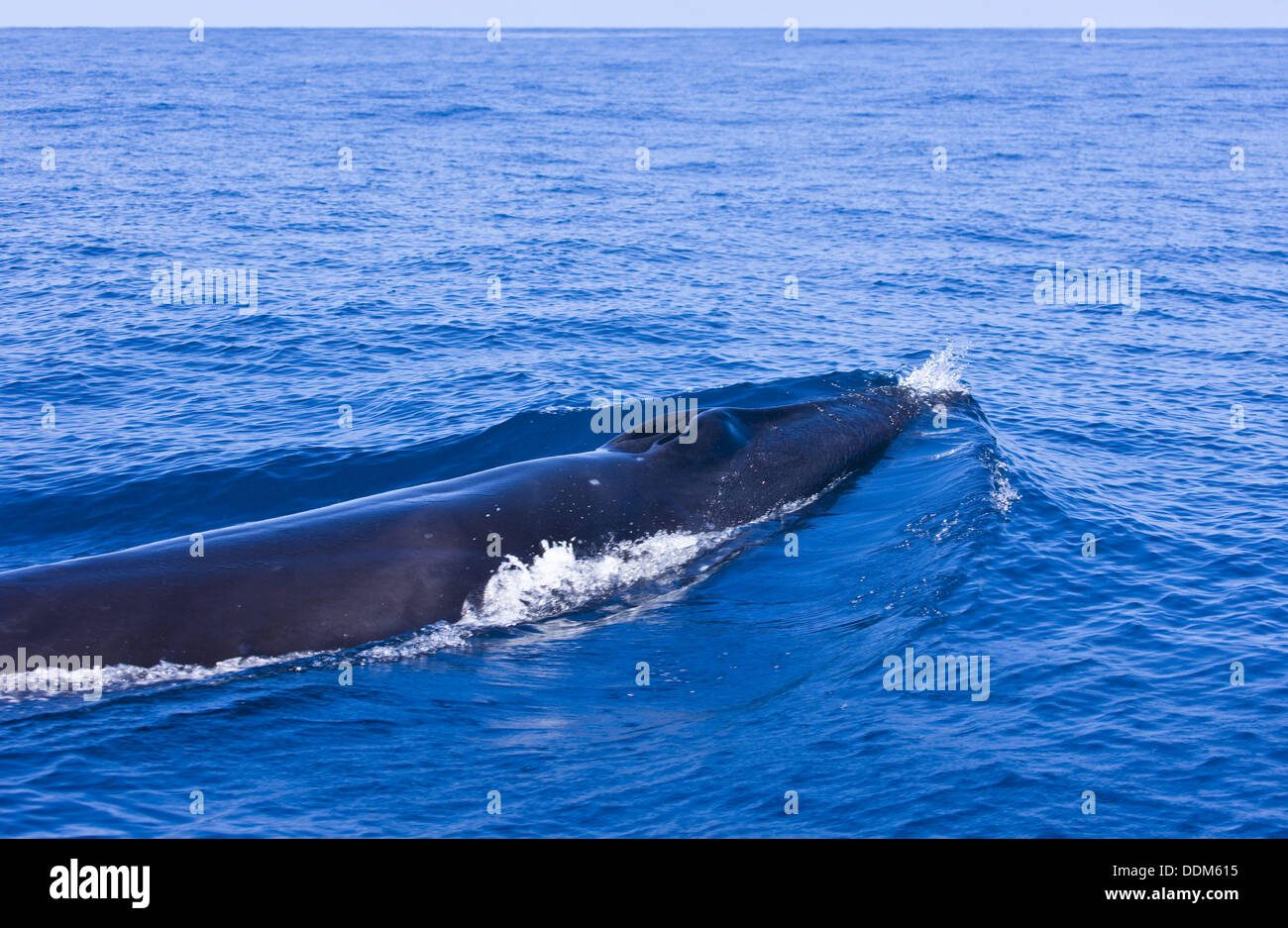
Fin Whale (Balaenoptera physalus)
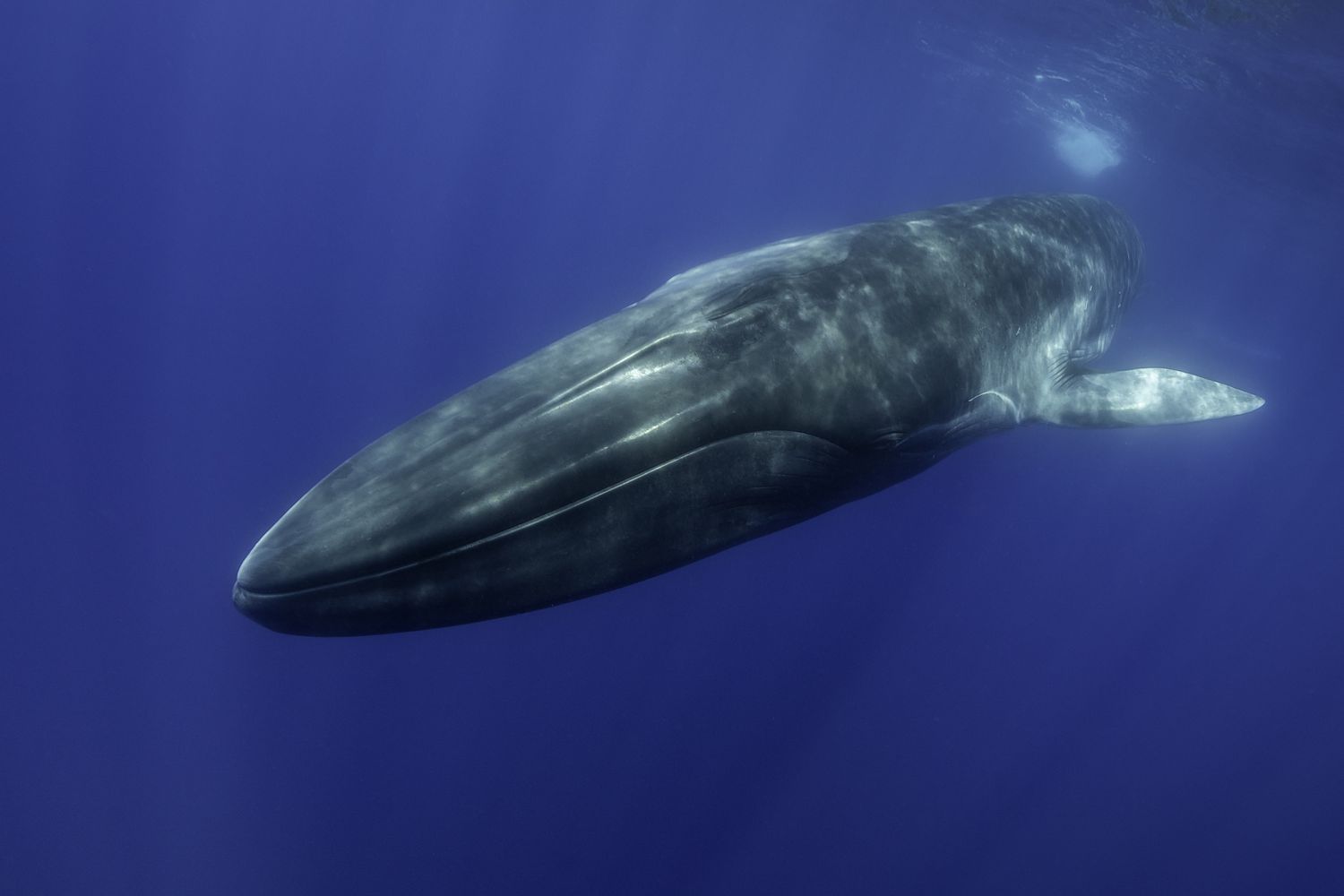
Known as the second-largest whale species, fin whales feature a sleek body shape and a distinct asymmetrical jaw coloration that is white on the right side. They travel at high speeds and exhibit a swept-back dorsal fin.
Observe the right side of the head for the white lower jaw.
Sei Whale (Balaenoptera borealis)
Characterized by a galvanized steel-gray body, sei whales migrate through Azorean waters in late spring and early summer. They surface horizontally, showing both the blowhole and the curved dorsal fin at the same time.
Spot the dorsal fin and blowhole appearing above water simultaneously.
What Whales Can You See in the Azores: Seasonal Migration Patterns
The optimal period for diverse sightings in Ponta Delgada spans from March to May, when migrating baleen whales join the resident species. For daily outings, the best arrival window is 08:30–11:30 to utilize calmer morning sea conditions and superior visibility.
Spring (March to May)
Moderate passenger volumeChangeable, air temperatures 16°C to 18°C
This is the primary migration window for baleen giants including blue, fin, and sei whales feeding on plankton blooms. Resident sperm whales are also regularly spotted.
Summer (June to August)
Peak passenger volumeWarm and clear, highs 22°C-25°C
Resident sperm whales and common dolphins dominate the calmer summer waters, accompanied by seasonal Atlantic spotted dolphins. Warmer air makes for comfortable offshore excursions.
Autumn & Winter (September to February)
Low passenger volumeCooler and wet, lows around 14°C
Sperm whales remain in these waters year-round, but winter storms lead to frequent tour cancellations. Boat operators run highly reduced schedules during these months.
Daily morning window (08:30–11:30)
Steady passenger volume—
This morning window offers the calmest seas and optimal lighting for spotting blows and dorsal fins. Late-afternoon winds often generate choppy waves that degrade visibility.
Verdict: For the best chance of encountering migrating blue whales alongside resident sperm whales, choose a morning departure between 08:30 and 11:30 from April to May.
Myths vs. Facts: What Whales Can You See in the Azores
Misconceptions about the marine life around São Miguel often stem from promotional materials conflating seasonal migratory giants with resident species. Distinguishing between migratory baleen whales and resident toothed whales helps travelers set realistic expectations before setting out from the marina at Avenida Infante Dom Henrique.
MythBlue whales reside in the Azores year-round alongside the local sperm whale populations.
FactBlue whales and fin whales are strictly migratory, passing through Ponta Delgada's waters primarily from March to June. Sperm whales are the primary resident whale species and can be spotted during any month of the year.
MythSighting a blue whale is guaranteed if you book a tour in the spring.
FactWhile spring is the peak migration period, these giants travel through open ocean corridors. Sighting them depends on ocean conditions, transit paths, and daily weather, meaning sightings are never guaranteed on any single trip.
MythAll large whale species found in the Azores behave and feed in identical patterns.
FactBaleen whales like blue and fin whales filter feed on krill near the surface during their transit. Resident sperm whales are deep-diving toothed predators that hunt squid in the deep marine canyons surrounding Ponta Delgada.
Essential Tips for Ponta Delgada Whale Watching Trips
Planning your whale watching excursion from Ponta Delgada requires strategic scheduling to account for Atlantic weather patterns and sea conditions.
Book Tours for Your First Days
Atlantic weather changes rapidly, frequently causing cancellations. Schedule your excursion for the beginning of your stay in Ponta Delgada to allow buffer days for rescheduling.
Select Morning Departure Windows
Aim for the 08:30 to 11:30 window when sea conditions are typically calmest. Morning light also reduces glare, making it easier to spot blows on the horizon.
Prevent Motion Sickness Early
The swells around Sao Miguel can be deep even on sunny days. Take motion sickness medication at least one hour before departure, as it is ineffective once you are already on the water.
Pack Windproof Layers
Offshore temperatures are significantly colder than on the Ponta Delgada marina. Wear a windproof jacket and closed-toe shoes to stay warm during fast transits on rigid inflatable boats.
Match Vessel to Your Needs
Rigid inflatable boats travel faster and sit lower to the water but offer no cover or restrooms. Choose a larger catamaran if you prefer stability, shelter, and toilet facilities.
Trust the Land-Based Lookouts
Local skippers rely on land-based lookouts who use binoculars to scan the ocean. Ask the crew if lookouts have spotted active pods before boarding to manage your sighting expectations.
How to Reach Portas do Mar Marina in Ponta Delgada
The Portas do Mar marina is situated along the main southern waterfront of Ponta Delgada on São Miguel Island. It is positioned directly on Avenida Infante Dom Henrique, making the harbor, shops, and tour departure points easily accessible by foot from historic downtown hotels or by vehicle using the coastal roadway network.
Walk east along the ocean-facing sidewalks of Avenida Infante Dom Henrique directly from the town gates at Praça de Gonçalo Velho
PDL Minibus Linha B from the historic town center directly to the Avenida Infante Dom Henrique waterfront stop
Drive via the regional EN1-1A highway directly to the designated underground parking facility at the waterfront complex
Direct ride from João Paulo II Airport (PDL) to the primary drop-off zone at the Portas do Mar maritime terminal
Check availability
FAQ about what whales can you see in the azores
Everything you need to know about what whales can you see in the azores